
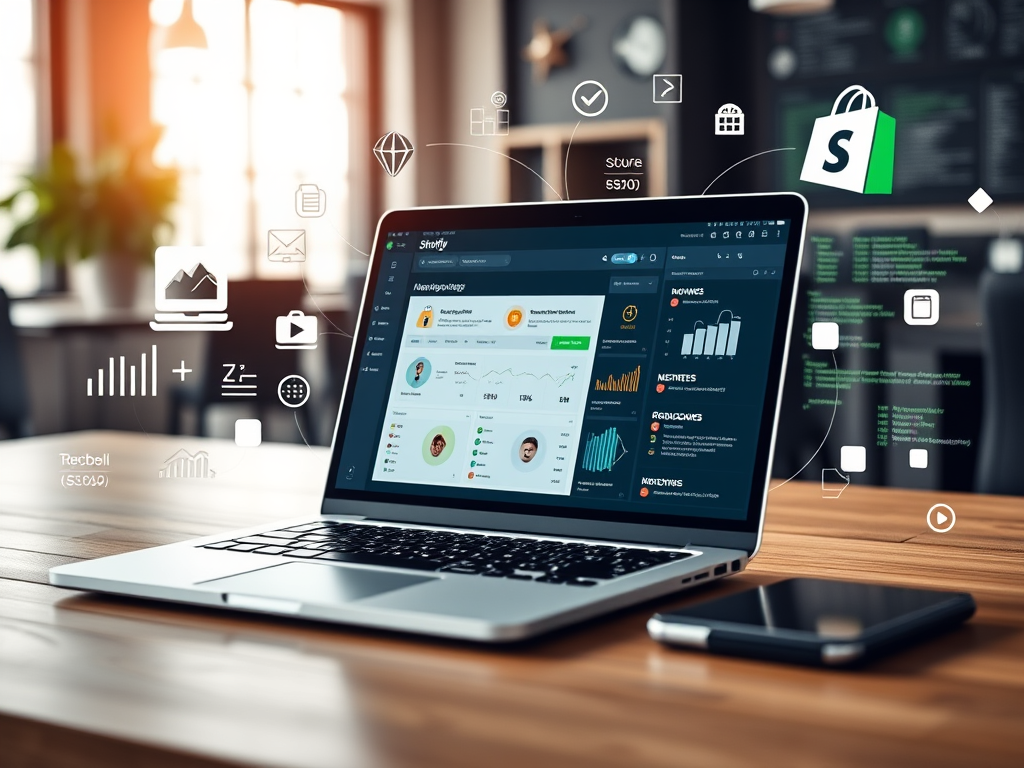
Search Engine Optimization (SEO) is more crucial than ever for Shopify stores. With evolving algorithms, AI-driven search, and increasing competition, staying ahead of the game requires strategic optimization. In this guide, we’ll cover everything you need to know about Shopify SEO in 2025, from technical setup to content strategies that drive organic traffic.

1. Why Shopify SEO Matters in 2025
Shopify is a powerful eCommerce platform, but out-of-the-box SEO optimization is limited. To rank higher on Google and drive organic sales, store owners must optimize their website structure, content, and performance.
Some key benefits of SEO for Shopify:
- Free, sustainable traffic compared to paid ads
- Higher conversion rates from targeted organic visitors
- Increased brand credibility and trust
- Improved site speed and user experience

2. Essential Shopify SEO Settings
Before diving into advanced strategies, make sure your Shopify store is SEO-friendly from the start.
Optimize Your Shopify Site Structure
A well-organized site structure improves user experience and helps search engines crawl your store efficiently.
- Use a flat structure with clear category and product pages
- Optimize navigation menus for easy browsing
- Keep URLs clean and descriptive (e.g.,
yourstore.com/products/baseball-glove)
How to Optimize Your Shopify Site Structure

Set Up Google Search Console & Analytics
Track your rankings and SEO performance by connecting your Shopify store to:
- Google Search Console – for indexing and keyword performance
- Google Analytics 4 (GA4) – for traffic and behavior insights
3. Shopify Technical SEO: Speed, Mobile & Security
Page speed, mobile-friendliness, and security are major Google ranking factors.
Improve Shopify Speed & Core Web Vitals
- Use fast-loading Shopify themes such as Dawn
- Compress images using TinyPNG or Shopify image optimization apps
- Enable lazy loading for images and videos
- Minimize app usage to avoid bloated scripts
Shopify Speed Optimization: Best Practices

Ensure Mobile Optimization
- Use mobile-responsive themes
- Optimize for tap targets (buttons should be easy to click)
- Check your store on Google’s Mobile-Friendly Test
Ensure Secure & SEO-Friendly URLs
- Enable SSL (HTTPS) for a secure shopping experience
- Use SEO-friendly URLs (
yourstore.com/products/best-baseball-batinstead ofyourstore.com/12345)
4. Shopify On-Page SEO: Keywords, Content & Meta Tags
On-page SEO ensures that Google understands your content and ranks it accordingly.
Keyword Research for Shopify
Find high-intent keywords for your store using:
Instead of targeting broad keywords like “baseball bat,” use long-tail keywords like “best youth baseball bat for power hitters.”
Keyword Research Guide for Shopify Stores
Optimize Meta Titles & Descriptions
Each page should have unique, keyword-rich meta tags:
- Meta Title: Max 60 characters, include the main keyword
- Meta Description: Max 160 characters, compelling call-to-action
Example:
- Title: Best Baseball Bats for Power Hitters | Free Shipping
- Description: Shop the top-rated baseball bats for power hitters. Free shipping on all orders.
Optimize Product Pages
- Write unique product descriptions (avoid manufacturer copy-paste)
- Use high-quality images and videos
- Add customer reviews and FAQs to increase engagement
How to Write SEO-Friendly Product Descriptions
5. Content Marketing & Blogging for Shopify SEO
Google favors fresh, valuable content. Blogging helps Shopify stores rank for long-tail keywords.
Blog Ideas for Shopify Stores
- “Best Baseball Bats for 2025: Top Picks & Reviews”
- “How to Choose the Right Baseball Glove for Your Position”
- “Shopify SEO Checklist: 10 Quick Fixes for Higher Rankings”
Blogging for Shopify SEO: A Complete Guide

6. Link Building & Off-Page SEO for Shopify
Backlinks from authoritative sites help your Shopify store rank higher.
How to Build Links for Shopify SEO
- Guest Blogging – Write for sites in your niche
- Influencer Outreach – Partner with bloggers and YouTubers
- Press Coverage – Get featured in industry news
- Internal Linking – Link between blog posts and product pages
How to Build Backlinks for Shopify SEO
7. Shopify SEO Tools & Apps for 2025
Here are some must-have tools for optimizing your Shopify SEO:
- Yoast SEO – Helps optimize on-page SEO
- Plug In SEO – Automates SEO issue detection
- SEO Manager – Optimizes metadata and schema markup
Final Thoughts: Mastering Shopify SEO in 2025
Shopify SEO requires ongoing effort, but by optimizing your store structure, content, and link-building strategy, you can drive long-term organic traffic and increase sales without relying solely on ads.
Shop Optimizers specializes in SEO audits, content optimization, and speed improvements to help Shopify stores rank higher and sell more. Contact us today.