

Optimizing your Shopify meta tags is a crucial step in enhancing your store’s visibility and driving organic traffic. Meta tags, including title tags and meta descriptions, provide search engines with information about your page content, influencing how your pages appear in search results and impacting click-through rates. This guide will walk you through the process of optimizing your Shopify meta tags effectively.Ignite DigitalWeglot+1Shopify+1
Step 1: Understanding Meta Tags
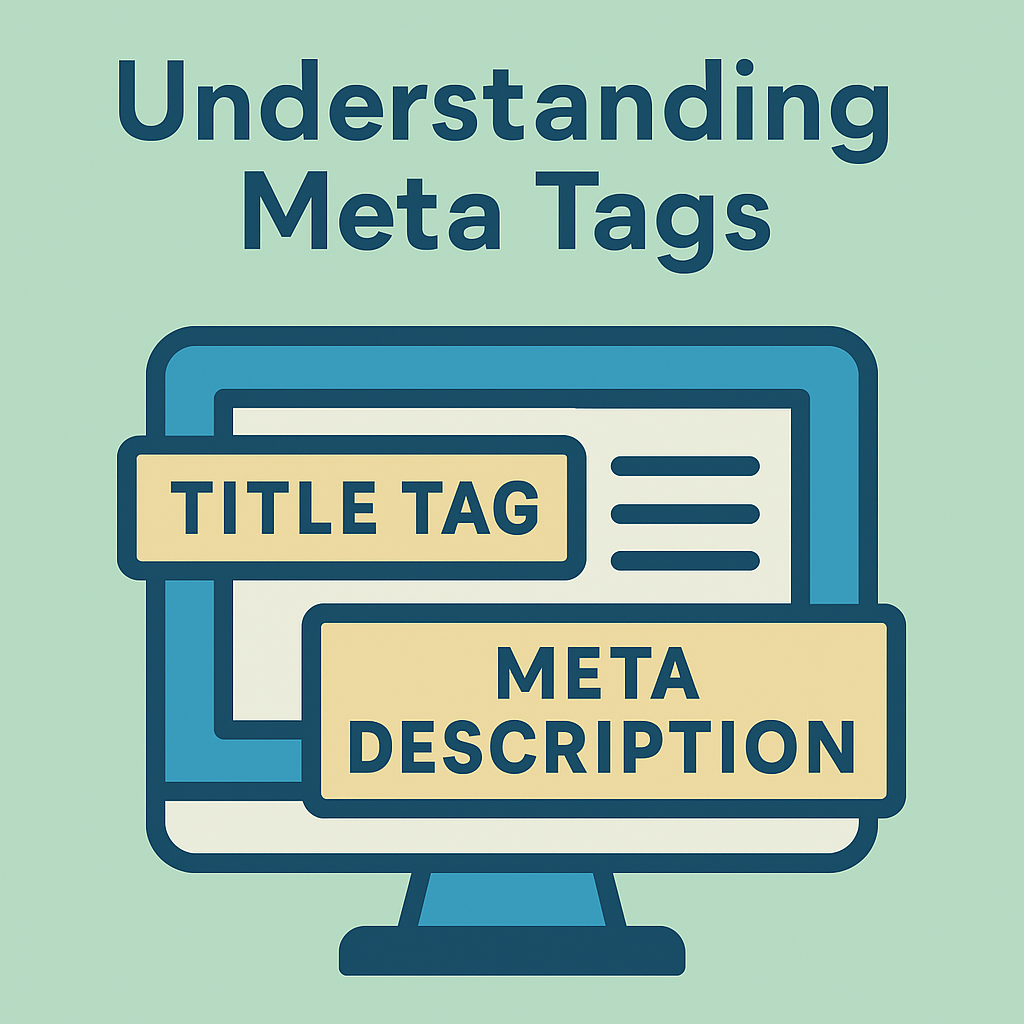
Meta tags are snippets of text that describe a page’s content; they don’t appear on the page itself but only in the page’s code. The most important meta tags for SEO are:Ignite Digital
- Title Tag: This is the clickable headline that appears in search engine results.Shopify App Store+4TinyIMG+4Venntov+4
- Meta Description: A brief summary of the page content that appears below the title tag in search results.Venntov+5Shopify+5Shopify+5
Optimizing these tags helps search engines understand your content and encourages users to click through to your site.Ignite Digital
Step 2: Crafting Effective Title Tags
An effective title tag should be concise, descriptive, and include relevant keywords. Here are some tips:
- Keep it under 60 characters: Search engines typically display the first 50–60 characters of a title tag.Shopify+1Shopify Community+1
- Include primary keywords: Place important keywords near the beginning of the title tag to ensure visibility.
- Branding: If space allows, include your brand name at the end of the title tag.
Example: “Organic Cotton T-Shirts – EcoWear Apparel”
Step 3: Writing Compelling Meta Descriptions

Meta descriptions should provide a clear and concise summary of the page content, enticing users to click. Consider the following:Shopify
- Optimal length: Aim for 150–160 characters to ensure the full description is visible in search results.HulkApps+3Shopify+3Praella+3
- Incorporate keywords: Include relevant keywords naturally to improve relevance.HulkApps+2Praella+2Shopify+2
- Call to action: Encourage users to take action with phrases like “Shop now,” “Learn more,” or “Discover our collection.”
Example: “Explore our range of organic cotton t-shirts – sustainable fashion that’s comfortable and stylish. Shop now!”Think Plus+1Linguise+1
Step 4: Implementing Meta Tags in Shopify
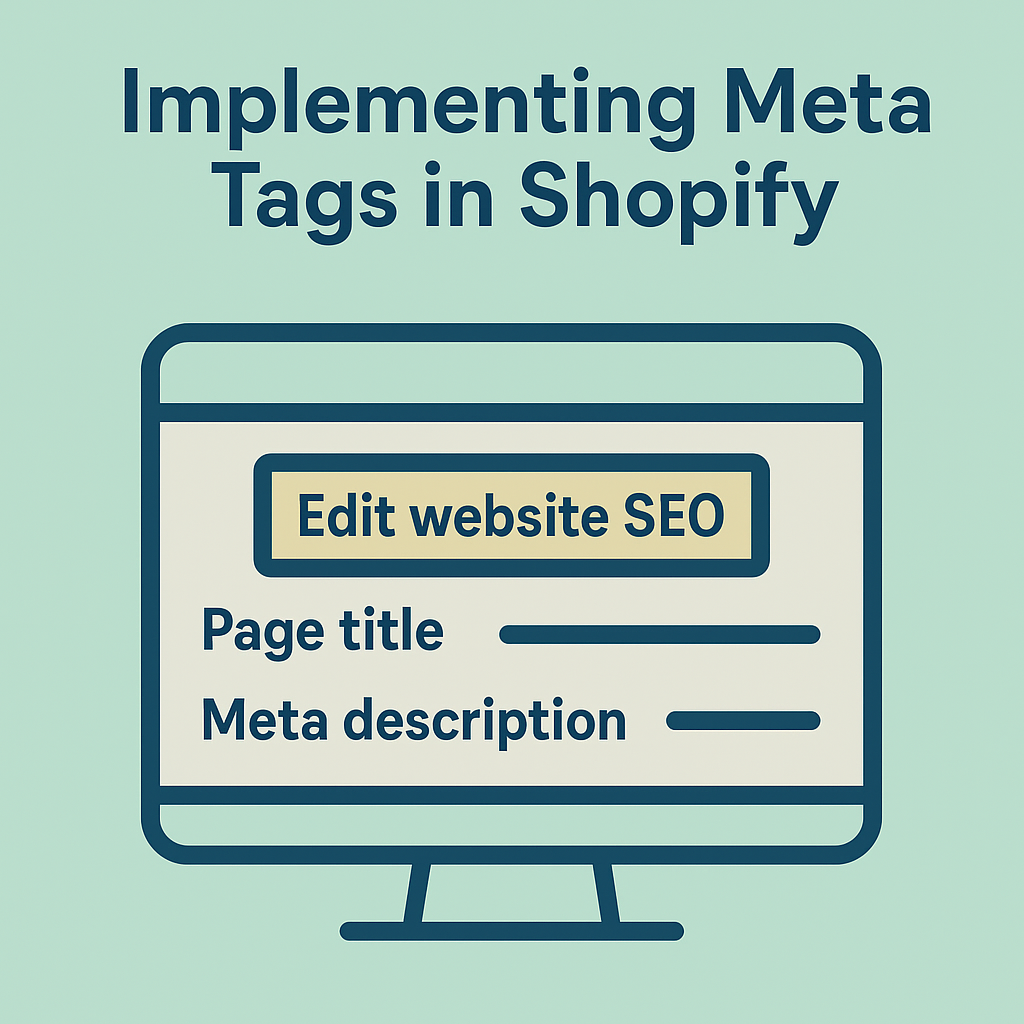
To add or edit meta tags in Shopify:Mipler Reports+8HulkApps+8Ignite Digital+8
- Log in to your Shopify admin panel.
- Navigate to the page you want to edit: This could be a product, collection, or blog post.Praella+3HulkApps+3Hey Carson+3
- Scroll down to the “Search engine listing preview” section.
- Click “Edit website SEO”.
- Update the “Page title” and “Meta description” fields with your optimized content.
- Save your changes.
For bulk editing, use Shopify’s bulk editor by selecting multiple items and clicking “Edit products.”
Step 5: Monitoring and Adjusting

After implementing your meta tags, monitor their performance using tools like Google Search Console. Pay attention to metrics such as click-through rates and adjust your meta tags as needed to improve performance.
By carefully crafting and implementing optimized meta tags, you can enhance your Shopify store’s visibility in search engine results, attract more visitors, and ultimately increase sales.