

Let’s get real. If you’re running e-commerce and still relying mainly on a single “catch-all” campaign like Google Performance Max (PMAX) or one big Shopping campaign to cover everything, you’re losing profit and wasting budget. At ShopOptimizers, we see this every day when we run Google Ads for e-commerce brands: broad campaigns attract non-buyers, chew up spend, and don’t respect your margin structure.
To win long-term, e-commerce brands need layered, controlled, margin-based segmentation.
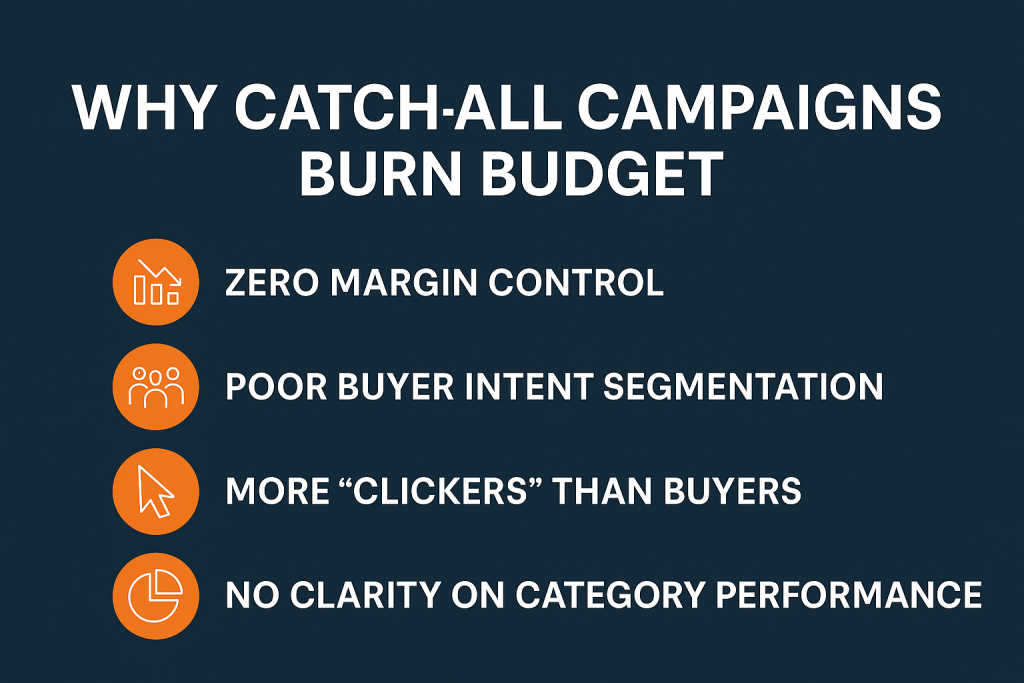
Why Catch-All Campaigns Burn Budget
Broad PMAX and Shopping campaigns seem simple and tempting. But the simplicity hides real problems:
- Zero margin control – PMAX doesn’t know (or care) whether a product earns you 8 percent or 40 percent. It bids the same way on low-margin items as it does on your high-value products.
- Poor buyer intent segmentation – Your $25 accessories and your $350 premium products live in the same bidding pool. That makes your ROAS unpredictable.
- More “clickers” than buyers – Catch-all campaigns often draw curiosity clicks, price shoppers, and people who never meant to purchase.
- No clarity on category performance – When everything is blended together, you can’t see the true profitability of price tiers or product groups.
Broad campaigns grow spend, not necessarily revenue. At ShopOptimizers, one of the first things we fix for new clients is breaking this structure apart so budget is controlled, layered, and profitable.
The Layered Campaign System
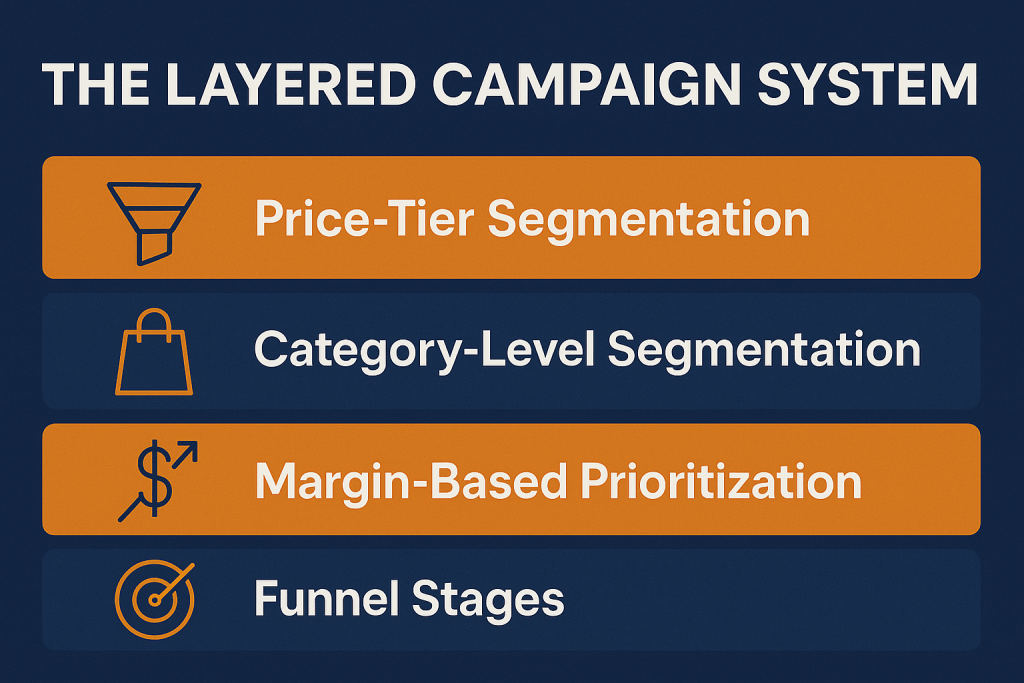
We build Google Ads systems that separate spend by:
1. Price-Tier Segmentation
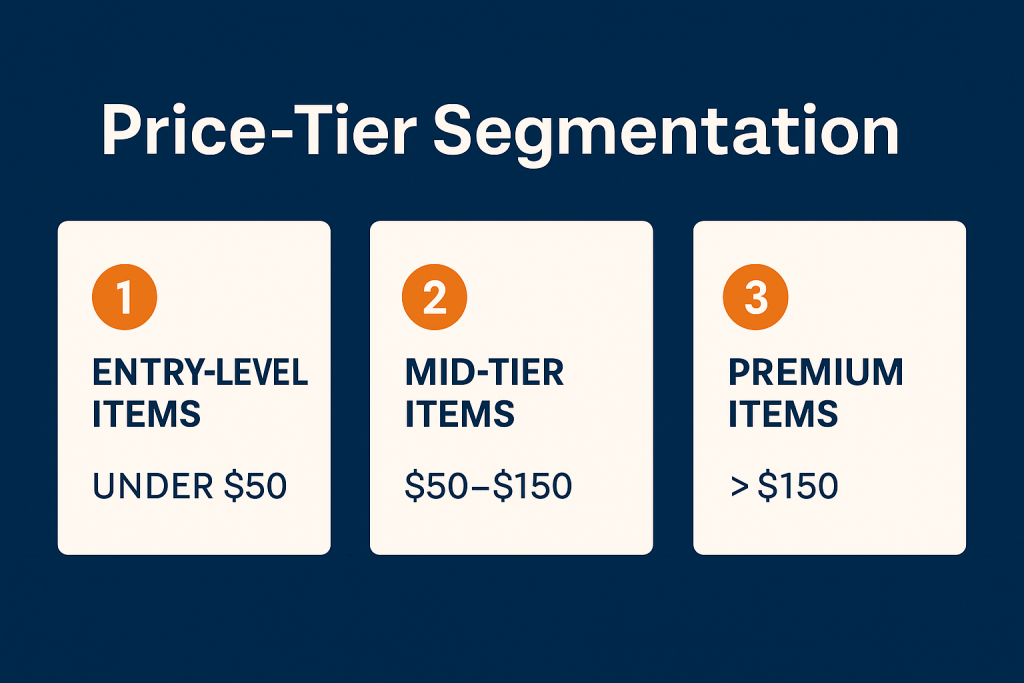
Examples:
- Under $50
- $50–$150
- $150+
Why? Because every price tier has different:
- Buying psychology
- Conversion timelines
- ROAS ceilings
- Allowable CPAs
If you’re running PMAX across the entire catalog, you’ll never see these differences. Inside our Google Ads Optimization Framework, we always begin by mapping SKUs into tiers and assigning each tier its own bidding logic.
2. Category-Level Segmentation
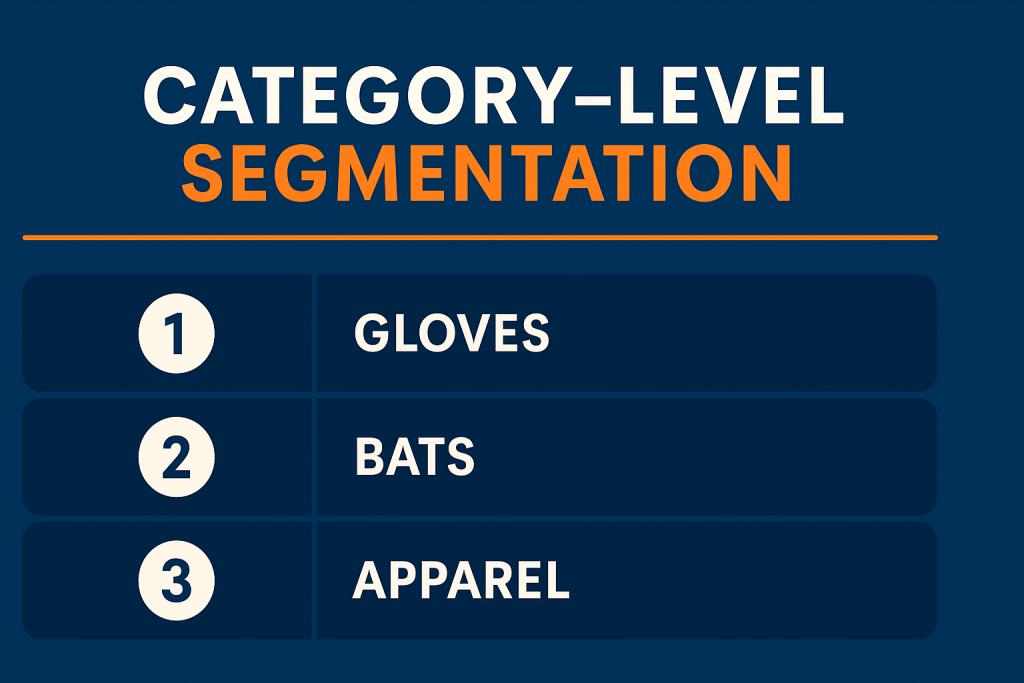
Different categories convert differently, have different competition, and deserve custom messaging.
If your store sells gloves, bats, apparel, accessories — each has its own buying cycle.
When you separate categories into different campaigns, you can adjust:
- Bids
- Audience signals
- Creative
- Retargeting windows
This is a foundational step in our Ecommerce Marketing Strategy builds.
3. Margin-Based Prioritization
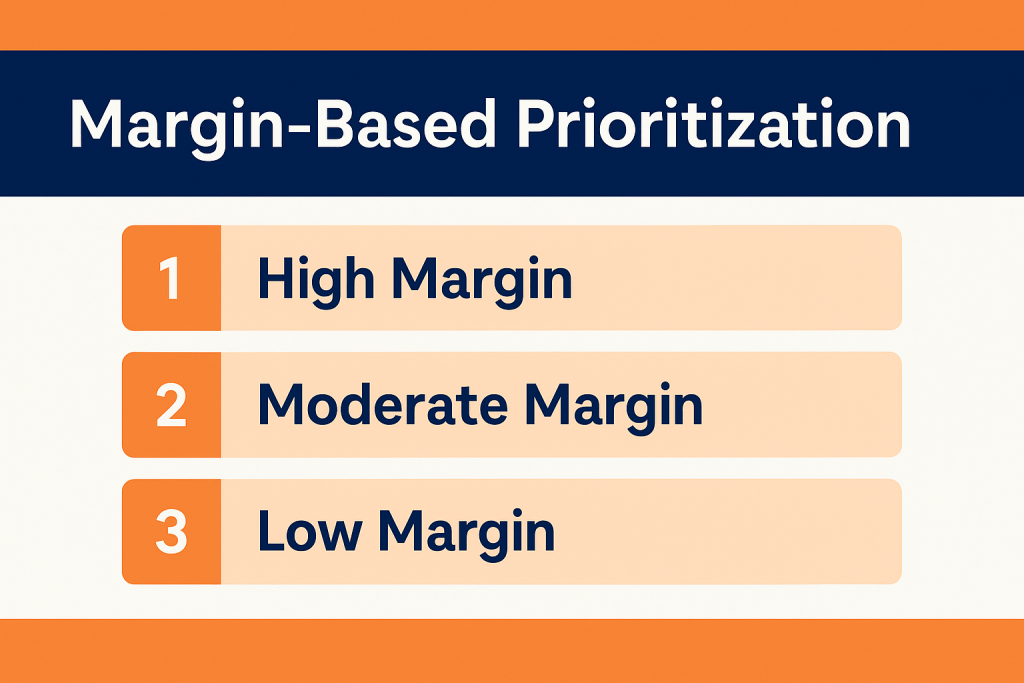
This is where most agencies fail.
Your profitable products should get more budget.
Your thin-margin items should not be allowed to bleed spend with automated bidding.
We create:
- High-Margin Booster Campaigns
- Low-Margin Protected Campaigns (strict ROAS or manual bidding)
This ensures Google Ads grows profit, not just traffic.
How Layered Campaigns Outperform Catch-All Campaigns
With layered segmentation, you can finally:
- See which price tiers are making money
- Allocate budget to your profitable categories
- Reduce wasted spend from “window-shopping” traffic
- Optimize bids and CPCs based on real margin needs
- Stabilize ROAS and scale predictably
This is the opposite of the “spray and pray” approach that PMAX encourages when left unchecked.
Where PMAX Does Fit — Carefully
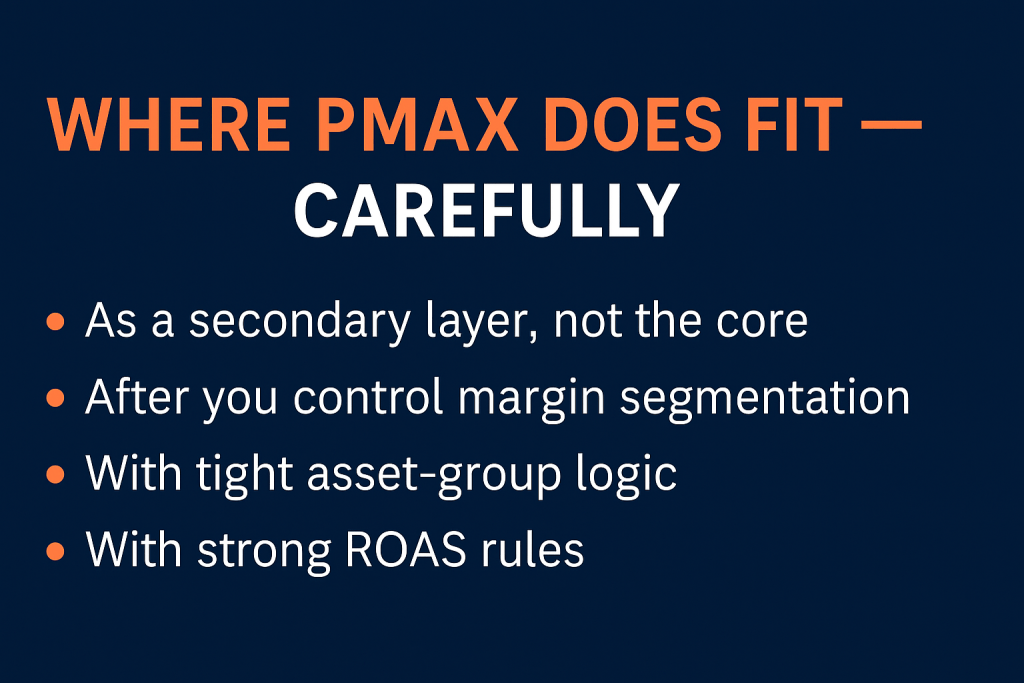
We aren’t anti-PMAX. We’re anti-PMAX-as-your-main-engine.
PMAX belongs:
- As a second layer, not the core
- After you control margin segmentation
- With tight asset-group logic
- With strong ROAS rules
- With feed-based structure that avoids showing your lowest-margin SKUs
If you’ve never structured PMAX properly, we break this down step-by-step inside our Ecommerce Ads Audit service.
Real-World Example Campaign Structure
Here’s a simplified structure we often deploy:
| Campaign | Price Tier | Category | Margin Strategy |
|---|---|---|---|
| Prospect-Low | < $50 | Starter items | Low bid, relaxed ROAS |
| Prospect-Mid | $50–$150 | Core SKUs | Balanced ROAS + CPC controls |
| Prospect-Premium | $150+ | Flagship items | High ROAS target, dynamic bids |
| Category-Gloves | — | Gloves | Custom messaging + retarget |
| Category-Bats | — | Bats | Higher CPC due to competition |
| High-Margin Booster | — | High-margin SKUs | Priority budget |
We customize structures per account during every ShopOptimizers Growth Blueprint engagement.
Creative and Messaging Must Match Price Tier
Segmentation doesn’t stop at bidding.
Your messaging must align with how buyers think at each price tier.
- Low-ticket items: “value,” “starter,” “affordable”
- Mid-ticket: “upgrade,” “best-seller,” “game-changer”
- High-ticket: “elite performance,” “premium,” “limited edition”
This kind of alignment consistently drives higher CTR and conversion rate, which cuts wasted spend dramatically.
Key Metrics That Actually Matter
Once you build a layered system, your optimization focuses on metrics that reflect profit, not vanity KPIs:
- ROAS by tier
- Margin by campaign
- SKU-level profitability
- Conversion lag by category
- Budget distribution by margin
- CPC efficiency by price band
This gives you the data you need to scale with confidence.
Final Takeaway
If you’re serious about profitable e-commerce growth, stop running one giant PMAX or Shopping campaign. Break your catalog into layers. Control your bid strategies. Protect your margins. Allocate budget where buyers — not browsers — actually convert.
This is the difference between “we’re spending more and hoping it returns something” and “we know exactly where profit comes from.”
If you want help restructuring your Google Ads account, you can request a custom review here:
???? Get a Google Ads Optimization Audit
???? Learn more about our Ecommerce Ads Management